

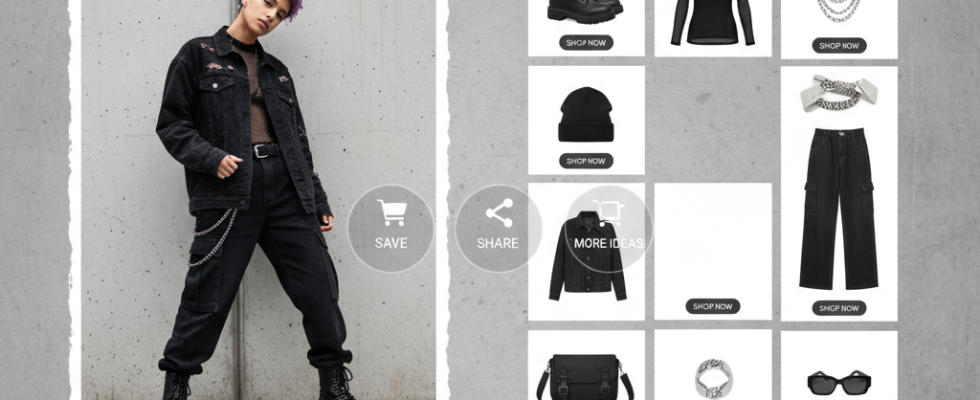
The character walks into the scene and you are no longer paying attention to the dialogue. You are studying the jacket. The way it sits on her shoulders, slightly oversized but intentionally so. The color, somewhere between sage and olive, perfect against her skin tone. You want it. Not a version of it. That exact jacket. And thanks to the internet’s collective obsession with screen-worn fashion, you can probably find it before the episode ends.
Advertisements
Dressing like fictional characters used to require guesswork and approximation. Now entire communities exist to identify every piece worn on screen, track down affordable alternatives, and build complete outfit guides episode by episode. The infrastructure for character-inspired dressing is more sophisticated than most actual fashion retail experiences.
The appeal goes beyond aesthetics. Characters represent versions of ourselves we admire or aspire toward. Their wardrobes are extensions of their personalities, carefully designed by costume professionals to communicate confidence, rebellion, softness, or power. When you adopt their style, you are not just wearing clothes. You are borrowing a character trait, trying on a way of being in the world that feels desirable.
The most copied characters share certain qualities. Their style is distinctive but not costume-like. It translates to real life without looking like cosplay. It has internal consistency, a clear point of view that makes the wardrobe feel cohesive rather than random. And it is aspirational without being unattainable. You could actually dress that way, to your job, in your city, with your budget.
Budget is where creativity enters. The character’s jacket might cost two thousand dollars, but the silhouette, color, and overall energy can be achieved at accessible price points. The skill is identifying which elements create the look and which are incidental. Often a single statement piece paired with basics captures the essence more effectively than replicating every item exactly.
Color palette matters more than specific garments. If a character consistently wears warm neutrals with pops of burgundy, adopting that palette across your own wardrobe creates the feeling without requiring identical pieces. The eye reads color relationships before specific items, which means the most effective character-inspired dressing happens at the palette level.
The most stylish people have always drawn inspiration from everywhere, from art, architecture, nature, and other people. Fictional characters are simply one more source in that constellation, with the advantage of being designed by professionals whose entire job is making people look extraordinary on screen. Let them do the creative work. Then make it yours.