

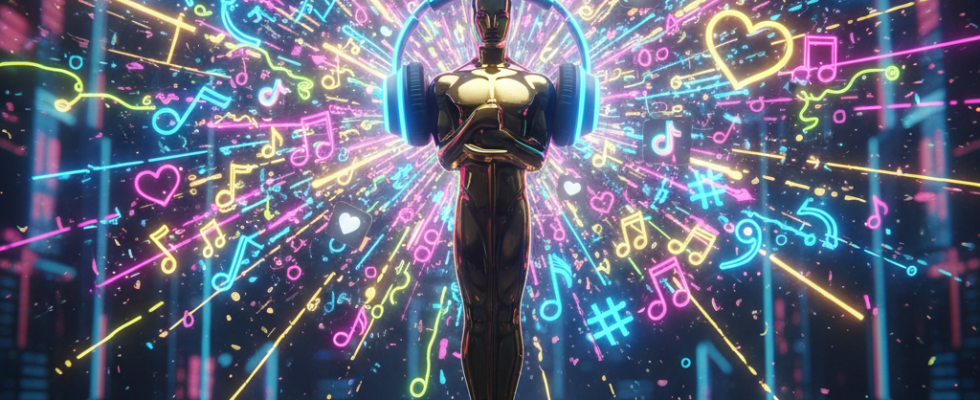
The song went viral on a Tuesday. By Thursday it had four hundred million streams. By the following month it was nominated for an industry award that traditionally took years of career building to reach. The distance between a bedroom recording and global recognition has collapsed so completely that the old gatekeeping structures are struggling to maintain relevance in a landscape they no longer control.
Advertisements
Social media has not just changed how music is discovered. It has changed what music sounds like. Songs are now engineered with hook points calibrated to the attention spans of scrolling audiences. The chorus arrives faster. The most distinctive element appears within the first three seconds. Structural experimentation has given way to immediate impact because the algorithm rewards instant engagement over slow revelation.
This is not entirely positive and it is not entirely negative. It democratized access to audiences in ways the traditional industry never would have permitted. Artists from anywhere with any background can reach millions without permission from labels, radio programmers, or playlist curators. The merit of the music, measured in engagement, determines reach. The old barriers of geography, connections, and industry politics have genuinely fallen.
But the same system creates distortions. Songs optimized for fifteen-second clips may lack the depth that rewards full listening. Artists who build audiences through viral moments face pressure to replicate that formula rather than evolve artistically. The relationship between virality and quality is not zero, but it is not one-to-one either.
Award bodies are adapting awkwardly. Their voting memberships skew older and more traditional. Their nomination processes were designed for an era of physical distribution and radio promotion. Integrating social media metrics into their consideration without letting popularity entirely override artistic merit is a balance none of them have convincingly struck.
The most interesting artists are those who use social media strategically without letting it dictate their creative direction. They understand the platform mechanics well enough to promote their work effectively while maintaining an artistic vision that extends beyond what performs well in algorithmic feeds. This dual literacy, creative and commercial, defines the successful musician of this era.
Music has always been democratic in theory and gatekept in practice. Social media made the democracy real, with all the messiness that real democracy entails. The best music still rises. It just rises through different channels now, and the journey from creation to recognition looks nothing like it did a decade ago. Whether that is progress depends entirely on what you value: access or curation. The answer, probably, is both.