

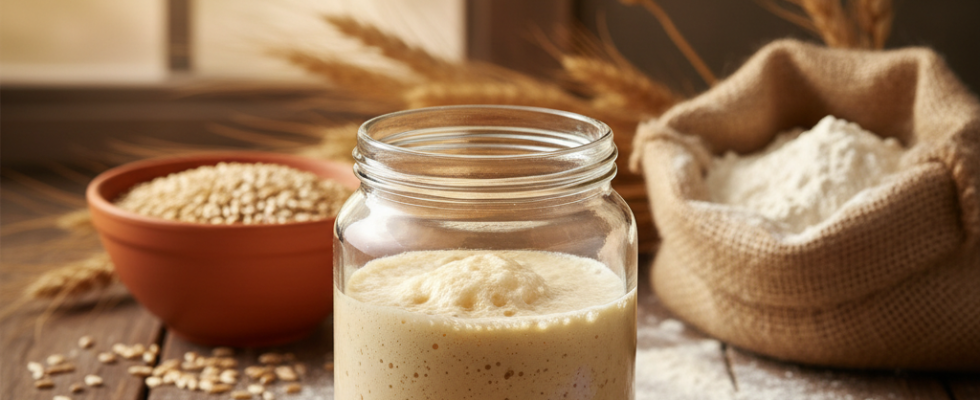
My grandmother made kimchi by feel. Temperature was checked with the back of her hand. Timing was determined by smell and intuition honed over decades. The results were extraordinary and completely unreproducible by anyone who had not spent forty years developing the same instincts. That knowledge gap between ancestral intuition and modern cooking is exactly where precision fermentation lives.
Advertisements
The hobby has exploded because technology now bridges what used to require generational knowledge transfer. Digital pH meters, temperature-controlled fermentation chambers, and smart probes that monitor your cultures in real time let beginners achieve results that previously took years of practice. You are not replacing tradition. You are giving yourself training wheels until your own instincts develop.
Fermentation is having a broader cultural moment for reasons that go beyond flavor. Gut health research continues to reveal connections between fermented foods and everything from immune function to mental health. Making your own means you control ingredients, freshness, and the specific bacterial strains present in your food. Store-bought kombucha is pasteurized. Yours is alive.
The entry point is remarkably accessible. A mason jar, salt, vegetables, and a five-dollar digital thermometer gets you started with sauerkraut or basic pickles. From there, the rabbit hole goes as deep as you want. Miso that ages for months. Tepache that transforms pineapple scraps into something effervescent and complex. Hot sauces with depth that commercial brands cannot achieve because they cannot wait the way you can.
The tech side scales with your obsession. Basic fermenters with airlocks cost almost nothing. Mid-range temperature controllers maintain precise environments for projects that require consistency. At the enthusiast end, small-scale bioreactors and laboratory-grade monitoring equipment let you experiment with precision that rivals professional food science labs.
What connects all of this to ancestral cooking is respect for time. Industrial food production optimizes for speed. Fermentation optimizes for transformation. It asks you to wait while invisible organisms do work that no human technology can replicate. The patience required is itself the practice.
Your grandmother knew something that food science is only now quantifying. That time, temperature, and trust in the process create flavors no shortcut can deliver. The technology just helps you listen to what the food is telling you until your hands learn the language themselves.