

The logo is gone. Not hidden, not miniaturized, not subtly embossed where only the initiated can spot it. Gone. The most expensive jacket in the room has no visible branding whatsoever, and the person wearing it does not need you to know what it cost. That is the entire point.
Advertisements
Quiet luxury is not new, but its current dominance represents a cultural shift worth examining. For two decades, fashion cycled between logo maximalism and understated elegance. The pendulum always swung back toward loudness eventually. This time feels different. This time, the rejection of visible branding is not a trend but a realignment of what luxury means to the people who can actually afford it.
The reasoning is partly practical. When fast fashion can replicate a logo overnight, when counterfeits are nearly indistinguishable from genuine articles, when anyone can wear a monogram print regardless of whether they bought it on a boulevard or a backstreet, the logo loses its function as a signifier. It becomes noise rather than signal.
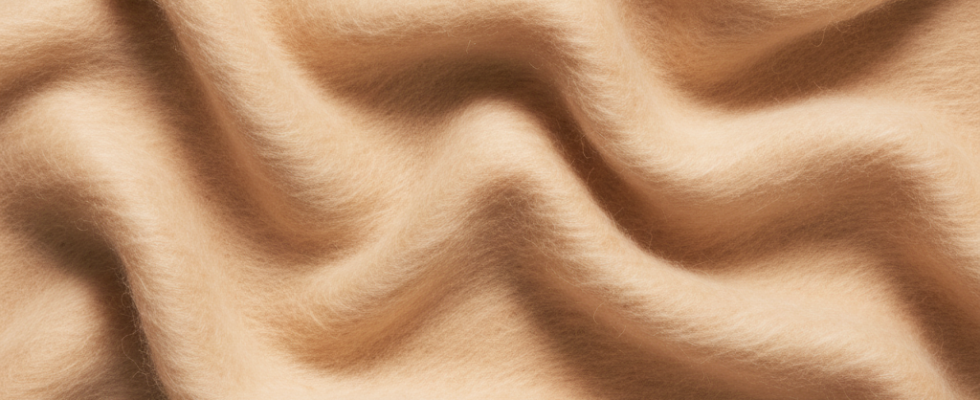
What replaces it is material knowledge. The ability to recognize twelve-gauge cashmere by sight. To identify a particular shade of camel that only comes from one tannery in Italy. To notice construction details that indicate hundreds of hours of handwork. This is a more exclusive language than logos ever were because it requires education rather than expenditure.
The social dynamics are fascinating. Quiet luxury creates in-group recognition among people who share the same material literacy while remaining invisible to everyone else. A two-hundred-dollar logo sweatshirt broadcasts wealth to everyone. A four-thousand-dollar unbranded cashmere coat communicates only to those who can read the quality. It is exclusivity without exhibition.
Brands are adapting by investing in fabric development, construction techniques, and fit rather than graphic design and marketing spectacle. The product itself becomes the entire proposition. Either the material and craftsmanship justify the price on their own merits, or they do not. There is nowhere for mediocre quality to hide behind a famous name.
This evolution challenges consumers too. It asks you to develop your own eye rather than trusting a brand name as shorthand for quality. It requires you to touch fabrics, to notice stitching, to understand why one white shirt costs thirty dollars and another costs three hundred. The knowledge is the luxury. Everything else is just well-made clothing.