

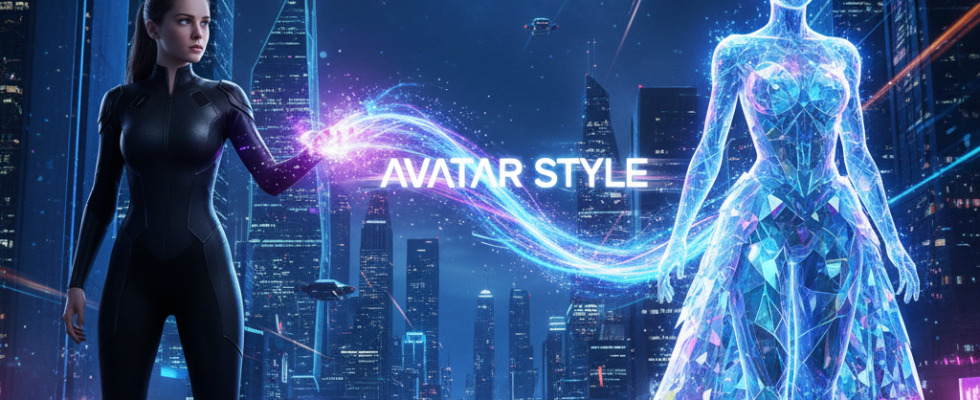
She paid three hundred dollars for a dress that weighs nothing. It has no seams, no fabric, no physical presence in the world. It exists only as a digital render, layered onto her photo with the precision of a couture fitting. She posted it, received hundreds of compliments, and nobody knew it was not real. This is digital fashion, and it is not as absurd as it sounds.
Advertisements
The concept is simple. A designer creates a garment that exists only digitally. You purchase it, submit a photo of yourself, and a team of digital artists fits the piece onto your image with photorealistic accuracy. The result is indistinguishable from a real photograph of you wearing a real garment. Except the garment was never manufactured, never shipped, and will never end up in a landfill.
For the social media generation, where clothes often exist primarily to be photographed and posted, this makes a strange kind of perfect sense. How many outfits have you worn exactly once for a photo and never again? Digital fashion eliminates the waste of that cycle entirely while still delivering the emotional payoff of wearing something beautiful.
Luxury brands are experimenting aggressively. Limited-edition digital pieces sell out in minutes, sometimes for prices that rival their physical counterparts. Collectors treat them like art. The scarcity is artificial but the desire is real, which honestly describes most luxury goods throughout history.
Gaming and virtual worlds have normalized this concept for younger consumers who already spend money on character skins and digital accessories without blinking. The leap from dressing an avatar to dressing your own digital image is smaller than older generations might assume.
The environmental argument is compelling. Fashion is one of the most polluting industries on earth. If even a fraction of “one-wear” purchases shifted to digital, the reduction in production waste, shipping emissions, and textile landfill would be meaningful at scale.
Will digital fashion replace physical clothing? Obviously not. The tactile pleasure of fabric against skin, the confidence shift of a perfectly cut jacket, the intimate ritual of getting dressed cannot be digitized. But for the performative layer of fashion, the layer that exists primarily for display, digital offers a future where looking incredible and being responsible are the same choice.