

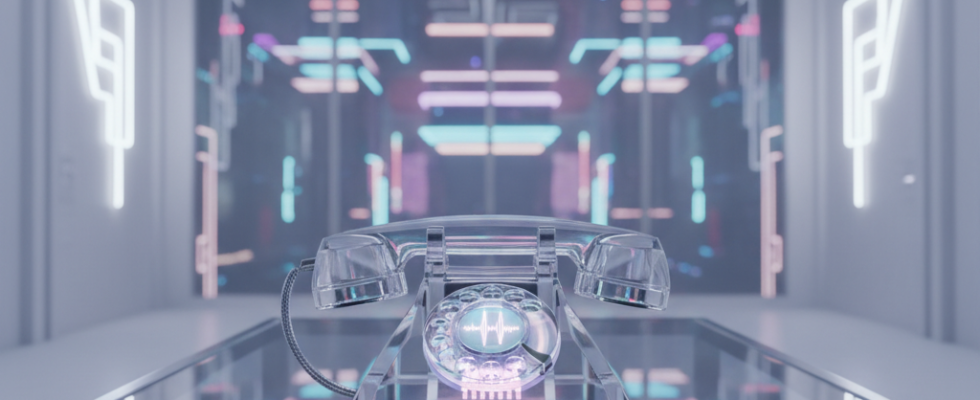
The people who built the attention economy are quietly walking away from it. Engineers at major tech companies, founders who made their fortunes on app engagement metrics, and venture capitalists who funded the scroll are increasingly carrying phones that cannot scroll at all. The dumbphone is having its moment, and the people choosing it are exactly the ones you would least expect.
Advertisements
These are not Luddites rejecting modernity. They are insiders who understand precisely how smartphones are designed to capture attention and have decided they no longer consent to being captured. When someone who helped build the machine chooses to step outside it, that tells you something worth listening to.
The new generation of basic phones is not your Nokia from 2003. They are thoughtfully designed objects with premium materials, satisfying buttons, and just enough functionality to remain connected without being consumed. Calls, texts, maybe a camera for genuine moments rather than content creation. Maps for navigation. Nothing else. The constraint is the feature.
What users report consistently is not what they lose but what they gain. Longer attention spans. Deeper conversations. More present relationships. An ability to be bored, which sounds like nothing but is actually the precondition for creativity. When you remove the option to fill every idle moment with stimulation, your mind starts generating its own material again.
The practical objections are real. Two-factor authentication, rideshare apps, mobile boarding passes, restaurant QR codes. Modern life has woven smartphone dependency into countless small interactions. Most dumbphone converts keep a smartphone at home for these tasks, using it like a desktop computer rather than a constant companion. The distinction between having access and carrying access everywhere turns out to be profound.
This is not a mass movement and probably never will be. Most people are not going to downgrade their primary device. But the fact that the most tech-literate people on the planet are choosing less technology for their personal lives should at minimum make the rest of us question our assumptions about what “connected” needs to mean.
Sometimes the most radical thing you can do with technology is choose to use less of it. Especially when you understand exactly what it is doing to your attention while you are not watching.