

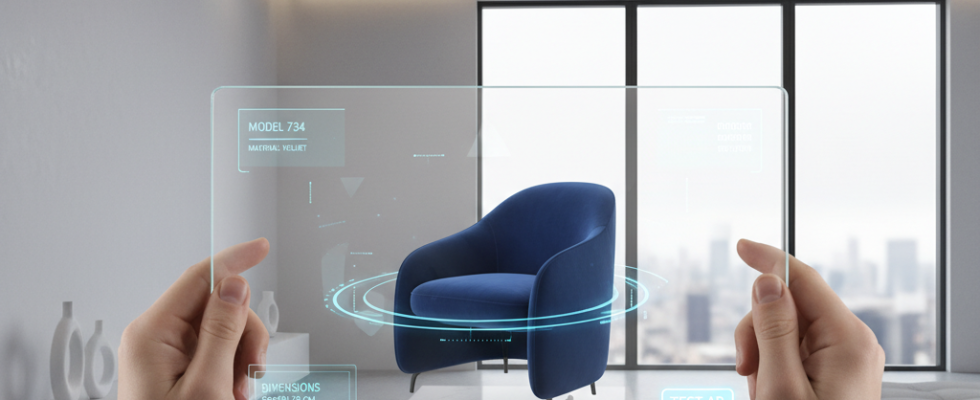
The couch looked perfect online. The color was right, the dimensions seemed reasonable, and the reviews were glowing. Then it arrived, and it was enormous. It swallowed the living room whole. We have all been there, caught in the gap between what we imagine and what actually fits in our space.
Advertisements
Augmented reality is closing that gap with startling precision. The technology has moved far beyond novelty. Major retailers now offer AR experiences so refined that you can place a full-size sofa in your actual living room through your phone screen, walk around it, check how it looks against your existing decor, and make a purchase decision with genuine confidence.
What changed is the accuracy. Early AR shopping felt like a party trick. Objects floated awkwardly, scale was unreliable, and the whole exercise felt more like a tech demo than a useful tool. The current generation is different. Lidar sensors in modern phones map your space with millimeter precision. Lighting engines match virtual objects to your room’s actual light conditions. The result is something that genuinely helps you make better decisions.
Fashion brands are pushing even further. Virtual try-on technology now accounts for fabric drape, skin tone matching, and how a garment moves when you move. It is not perfect yet, but it is good enough that return rates for brands using advanced AR have dropped significantly. That matters. Returns are expensive, wasteful, and frustrating for everyone involved.
The beauty industry was arguably the first to crack this at scale. Trying on lipstick shades or eyeshadow palettes through your camera has become so normalized that going to a store specifically to swatch products feels almost quaint. The convenience factor alone changed behavior permanently.
Where this gets truly interesting is the convergence of AR with AI styling. Imagine pointing your phone at your closet and having an AI suggest what to pair with those new shoes you are considering, showing you the complete outfit rendered on your body in real time. That is not science fiction. That is next year.
Shopping will never return to purely physical browsing. But it is also not going fully virtual. The sweet spot is this layered reality where digital information enhances physical decision-making. And honestly, fewer regrettable couch purchases is a future worth celebrating.