

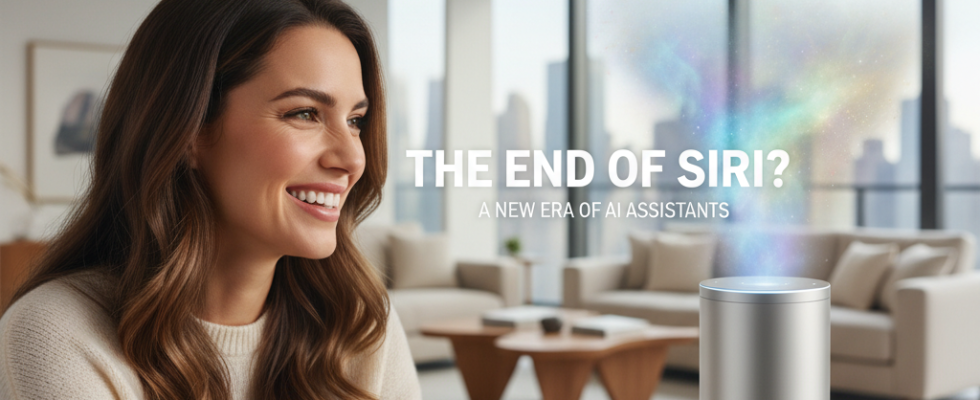
Something shifted in the way we talk to machines this year, and it happened so quietly that most people missed it. The voice assistants we once marveled at now feel like relics of a simpler digital age. Siri, bless her heart, still struggles to set a timer without asking a follow-up question. Meanwhile, a new generation of AI companions has entered the chat, and they are bringing something unexpected to the table: genuine personality.
Advertisements
I spent three weeks testing the latest AI assistants, not for their ability to read weather forecasts or play Spotify playlists, but for something far more interesting. I wanted to know which ones could hold a real conversation. Which ones could make me laugh, challenge my thinking, or respond with the kind of warmth that makes you forget you are talking to code.
The results were fascinating. Some assistants now adapt their tone based on context. They crack jokes when the mood is light and shift to something more measured when you are working through a problem. One even remembered a passing comment I made about hating mornings and adjusted its greeting style accordingly. That is not a gimmick. That is emotional intelligence, even if it is synthetic.
What makes this moment so compelling is the contrast. Traditional voice assistants were built to be tools. They answer questions. They execute commands. But personality-driven AI flips that script entirely. These systems are designed to be present with you, not just useful to you. The difference feels enormous when you experience it firsthand.
Of course, this raises questions worth sitting with. When a machine responds with charm and nuance, are we connecting with it or projecting onto it? There is no clean answer yet, and that ambiguity is part of what makes this space so alive right now.
The practical takeaway is simpler than the philosophy. If you have not explored beyond Siri or Alexa in the past year, you are missing a genuinely surprising evolution. The bar has moved. These new assistants do not just understand your words. They understand your vibe. And once you experience that shift, going back to a robotic “I did not quite get that” feels almost painful.
We are not at the end of voice assistants. We are at the beginning of something far more intimate and, honestly, far more interesting.